
Issue 96 of the Rockwatch Magazine: published April 2024
Issue 96 Contents List: published April 2024 NHM soft toy and T shirt Image 1 of 7 Treats you find in museum gift shops Rockwatch members receive a copy of the Rockwatch Magazine three times a year to coincide with the main school holidays – Christmas, Easter and Summer. To receive your copy of the magazine join today! MINERAL FAIR MAGIC All about a trip to Munich MINING DISCOVERIES Among the metal-bearing rocks of...

Issue 95 of the Rockwatch Magazine: published December 2023
Issue 95 Contents List: published December 2023 2023 Rockstar Winners Image 1 of 8 See some of the excellent entries Rockwatch members receive a copy of the Rockwatch Magazine three times a year to coincide with the main school holidays – Christmas, Easter and Summer. To receive your copy of the magazine join today! BREAKWATER SURPRISE Bude’s riches, hidden in plain sight EASTERN CAPE FIELD ADVENTURES Excitement on...
Issue 94 of the Rockwatch Magazine: published July 2023
Issue 94 Contents List: published July 2023 HOAX OF THE 'EARLIEST ENGLISHMAN' Image 1 of 7 How a conman fooled scientists MINECRAFT ROCKS AND REALITY Differences between the game and real life HOAX OF THE ‘EARLIEST ENGLISHMAN’ How a conman fooled scientists KERMA – A LAND OF PLENTY Ancient kingdom’s geological riches BRITISH BRICKS How building bricks link to geology PERFECT MIX OF STONE AND PLANTS A...
Issue 93 of the Rockwatch Magazine: published April 2023
Issue 93 Contents List: published April 2023 Water plays an important part of rock formation Image 1 of 6 Picture of H20 molecules MUSEUM MAGIC IN PARIS Samples galore on display HOW TO WEAR A WALL! Knit yourself a sweater… WATER, WEAUTER EVERYWHERE How H2O affects geology IMPERIAL PORPHYRY – THE STONE OF EMPERORS Find out why it is so treasured HOW GEOLOGY LIGHTS UP JAMAICA Making water glow… VOLCANIC ACTIVITY...
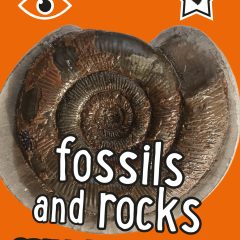
Pre-order your copy of the i-SPY Fossils and Rocks Guide
A super new addition to the popular Collins Michelin i-SPY Guide series has been produced especially for fossil and rock lovers – great for Rockwatchers – and the perfect time to announce its forthcoming publication on World Book Day. Aimed at children from 5 years and up, the i-SPY Fossils and Rocks booklet is available to pre-order now! It’s publication date is just around the corner on 16th March so you...

Issue 92 of the Rockwatch Magazine: published December 2022
Issue 92 Contents List: published December 2022 Figure 4 New Forest fossils Image 1 of 7 FINDING SEA FOSSILS IN A FOREST ROCKSTAR SPECIAL Some of the many entries PINBALL WAIZARDRY EXPLAINS THE ROCK CYCLE A fun game with geology built in MONOLITHS AND MEGALITHS The marvel of standing stones FINDING SEA FOSSILS IN A FOREST The story behind some strange finds A WALL THAT HARBOURS OPEN SECRETS Spotting surprises in a restored wall...