
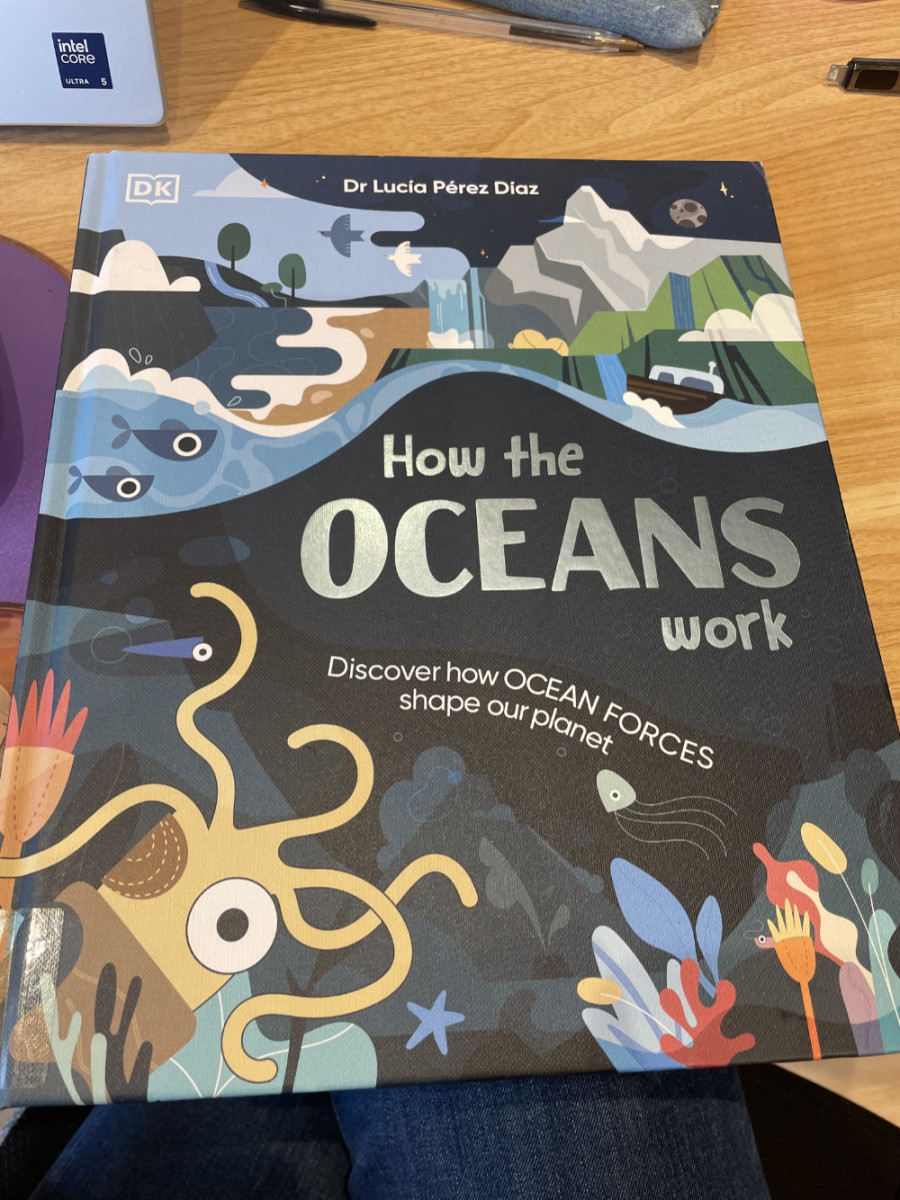
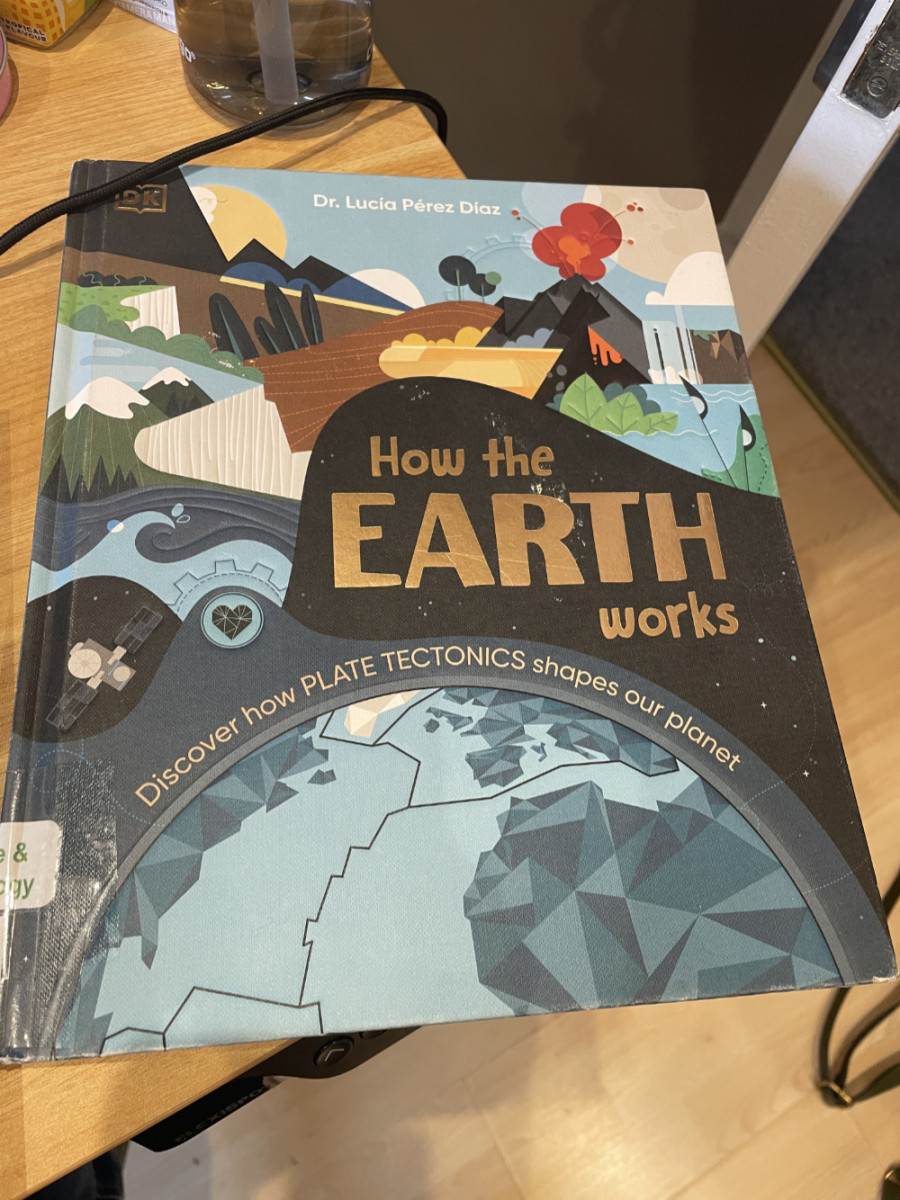
But where do moving tectonic plates fit into the picture?
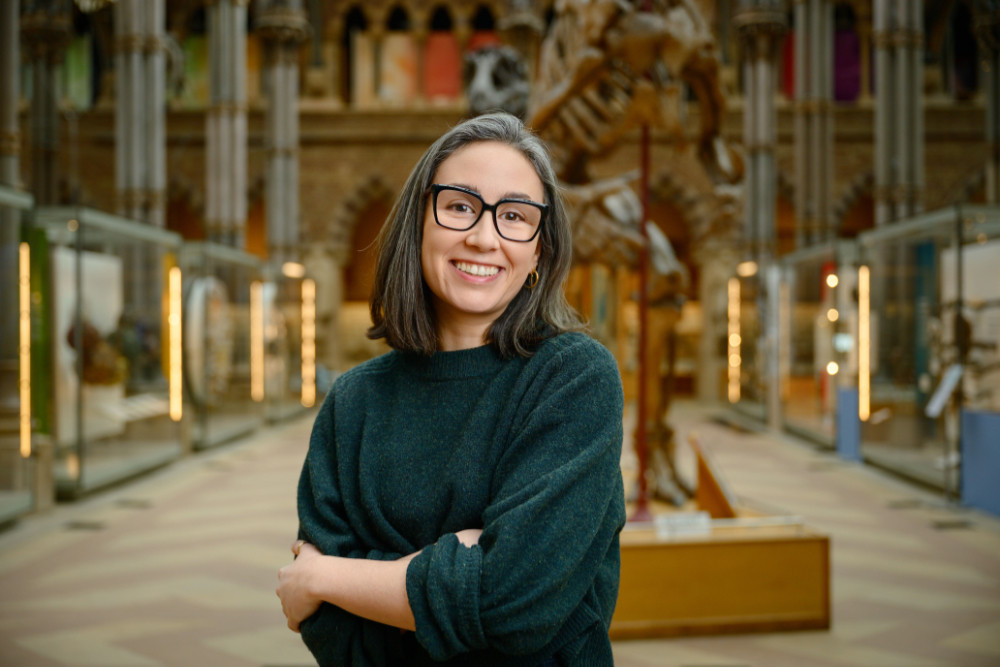
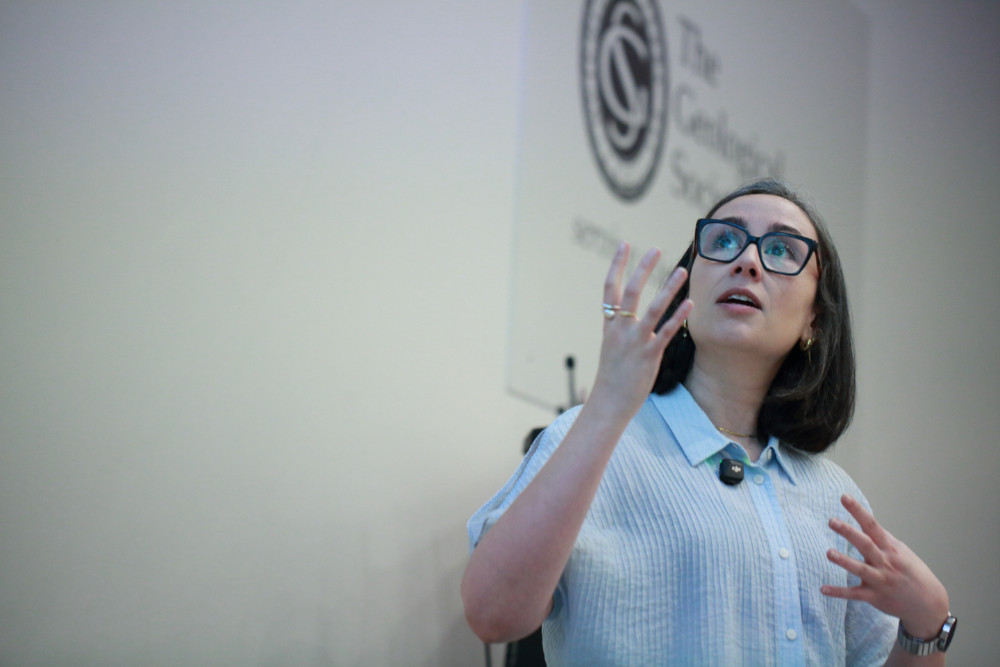
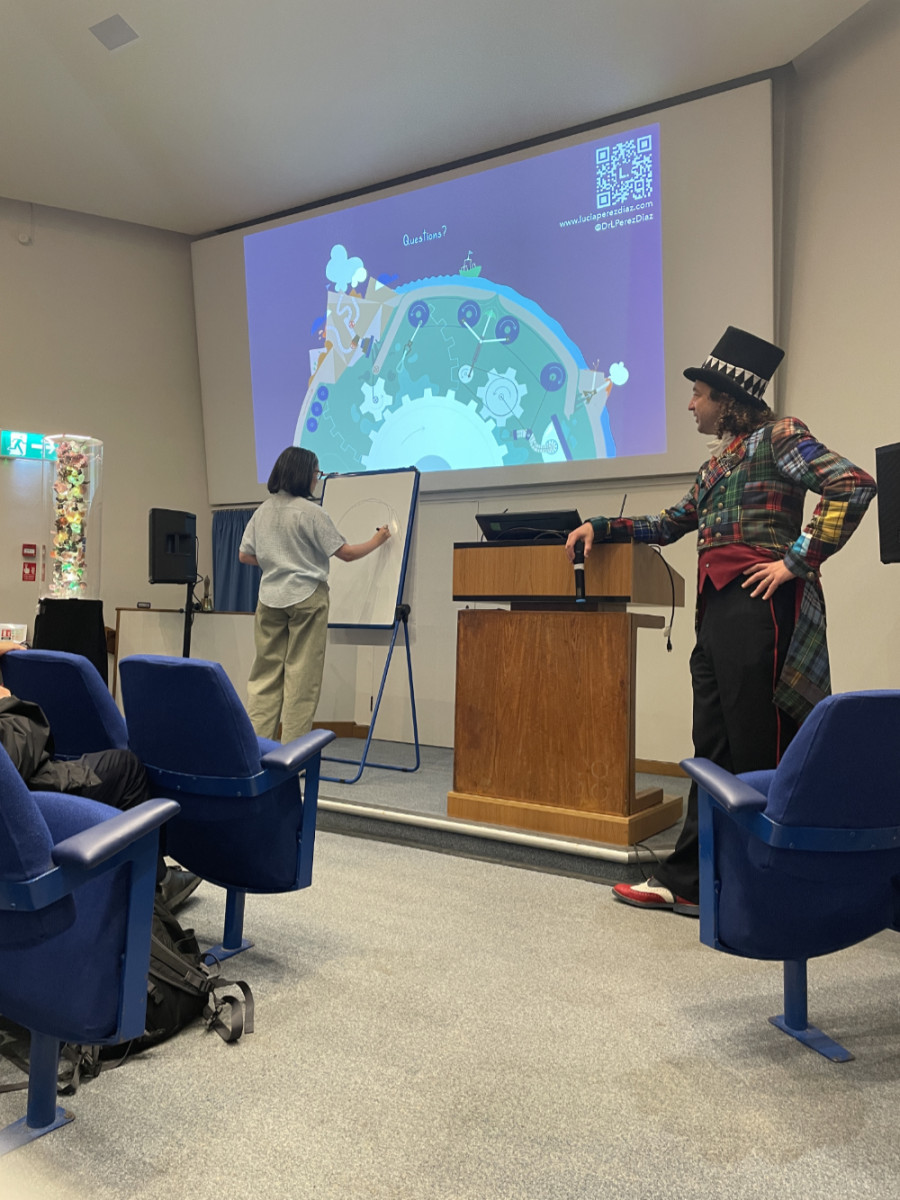
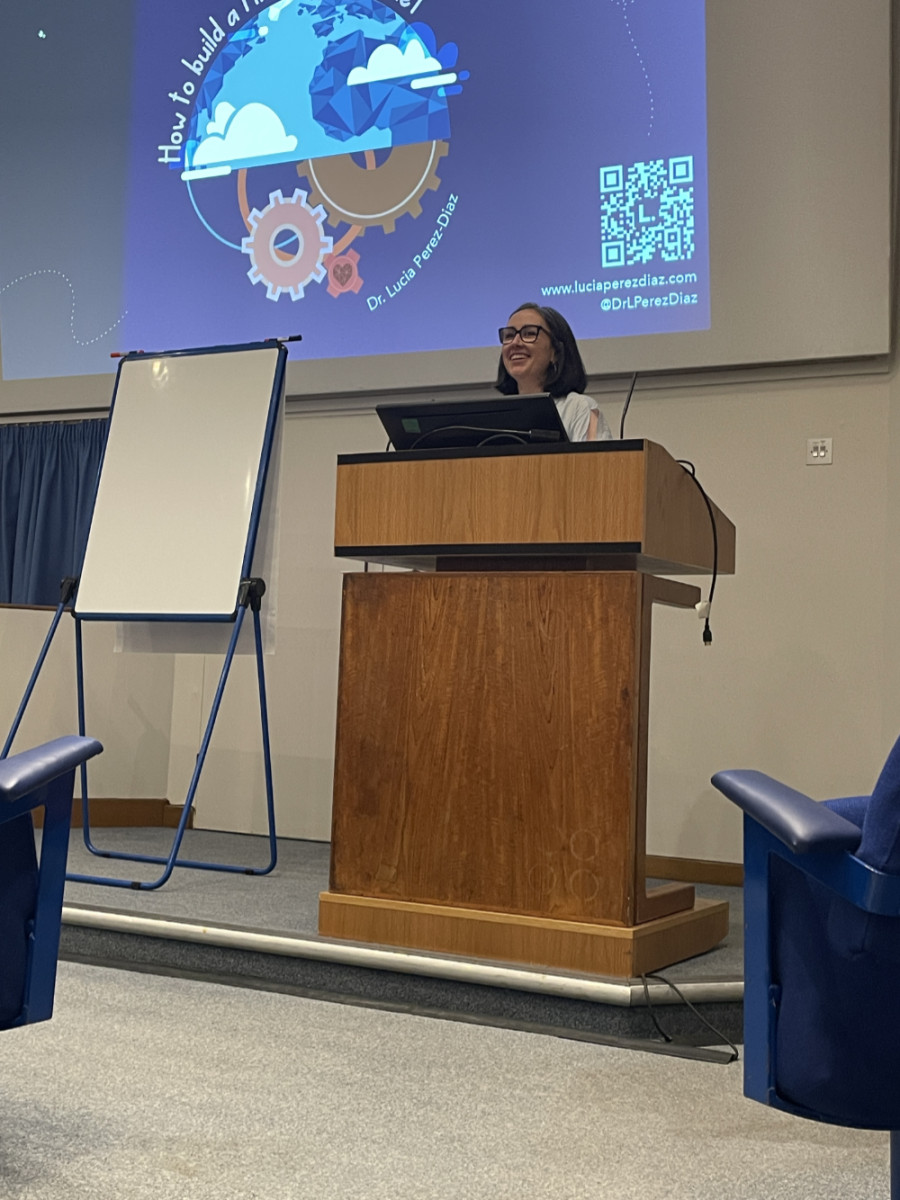
Following her talk, The Secret Ingredient for a Habitable Planet, at the Festival of Geology in London on Saturday 7 November 2026, Dr Lucia Pérez-Díaz kindly joined us for a Q&A especially for Rockwatchers.
In the second instalment of Rockwatch Asks…, Lucia explores what makes Earth habitable, takes us on an imaginary journey into its distant past and shares why curiosity is such an important part of being a scientist.
The ingredients for a living planet
We began with a big question: what makes Earth a good home for life?
Lucia explained that several ingredients need to work together. A star provides warmth, while Earth’s atmosphere and magnetic field help protect our planet. Liquid water is another essential part of the picture.
For Lucia, one of the most exciting ingredients is plate tectonics — the movement of the enormous plates that make up Earth’s outer shell.
She highlighted the possible importance of plate tectonics in supporting life, and how looking for signs of it on other worlds could help scientists investigate whether those places might also be habitable.
It’s a fascinating thought: understanding plate tectonics could help us ask better questions about worlds far beyond Earth.
A journey back to the beginning of plate tectonics
If Lucia could visit any moment in Earth’s history, she would choose the beginning of plate tectonics.
Assuming we knew exactly when and how it began, Lucia would love to travel billions of years into the past to witness the process starting. Seeing it happen could help answer questions that geologists are still piecing together from the evidence available today.
For Rockwatchers, it’s a reminder that even something as central to geology as plate tectonics still holds mysteries.
How curiosity became a career
Lucia didn’t grow up with a firm plan to become a geologist. What she did have was a strong sense of curiosity.
Growing up in a small village, she spent lots of time outdoors and felt connected to the natural world. As a teenager, discovering that Earth’s surface is made up of moving plates captured her imagination.
That fascination helped lead her towards Earth science.
Her advice is encouraging for anyone who enjoys asking “why?”: curiosity matters, along with the patience to keep searching for answers. You don’t need to have your future mapped out to start exploring what interests you.
Where would she take Rockwatchers?
Asked where she would take young Rockwatchers to see geology in action, Lucia chose East Africa.
There, a vast rift system reveals a continent slowly pulling apart. Lucia described how large cracks and features in the landscape offer evidence of this ongoing movement.
This is a process unfolding over immense geological timescales. We wouldn’t see a continent suddenly break in two during a visit, but we could explore clues to the changes taking place.
For someone fascinated by moving plates, it would be an extraordinary outdoor classroom and a glimpse of things to come!
How could young geologists help our planet?
Lucia’s final answer showed just how many directions an interest in geology can take you.
Earth scientists investigate climate, study the ground before roads and buildings are constructed, and explore past life and extinction events. Their work can help us understand our planet and make decisions about how we live on it.
There is plenty of room for different interests, too. You might be drawn to dinosaurs, volcanoes, other planets or the challenges of living more sustainably.
The starting point is something Rockwatchers already know well: looking closely, asking questions and wanting to discover more.
Thank you to Lucia for sharing her time, enthusiasm and ideas with Rockwatch.
Rockwatch Asks… brings you Festival of Geology speaker Q&A Shorts recorded at the festival. If you missed our first episode with Professor Katherine Joy, you can catch up here: Watch Professor Katherine Joy →
