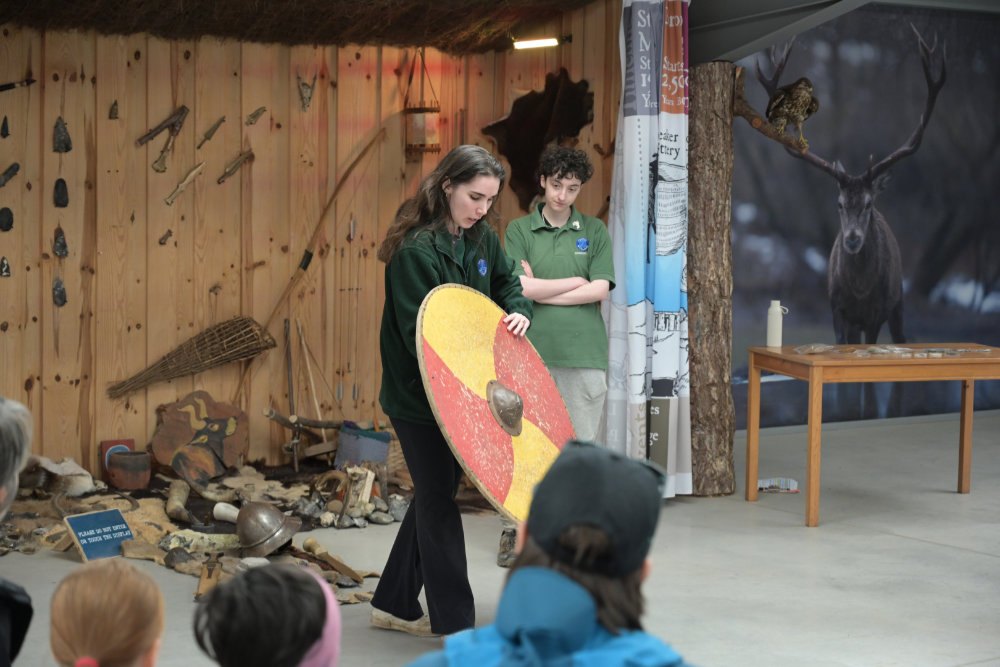
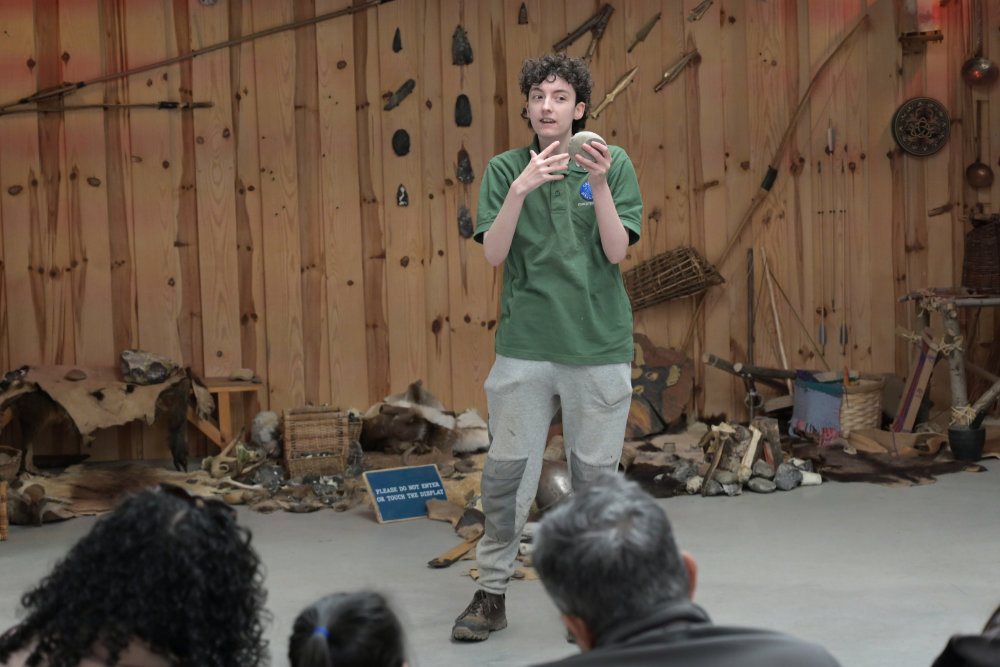
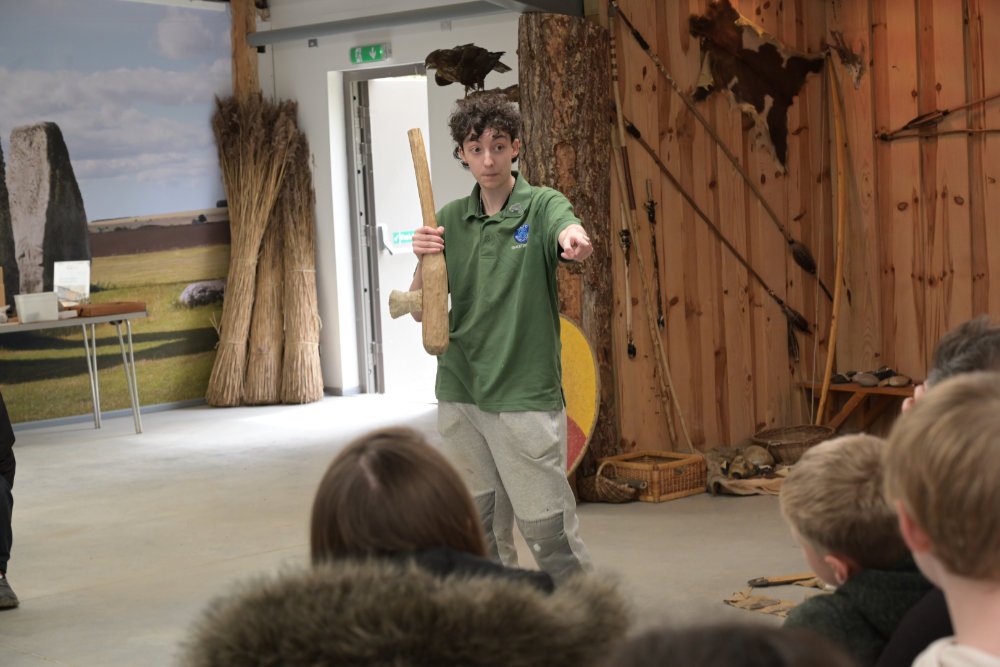
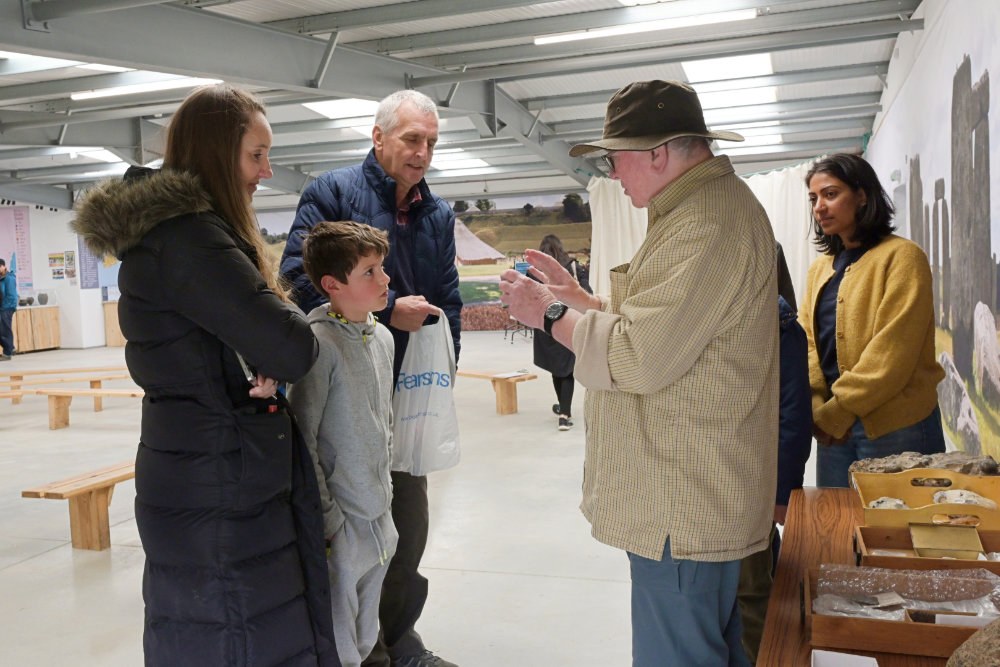
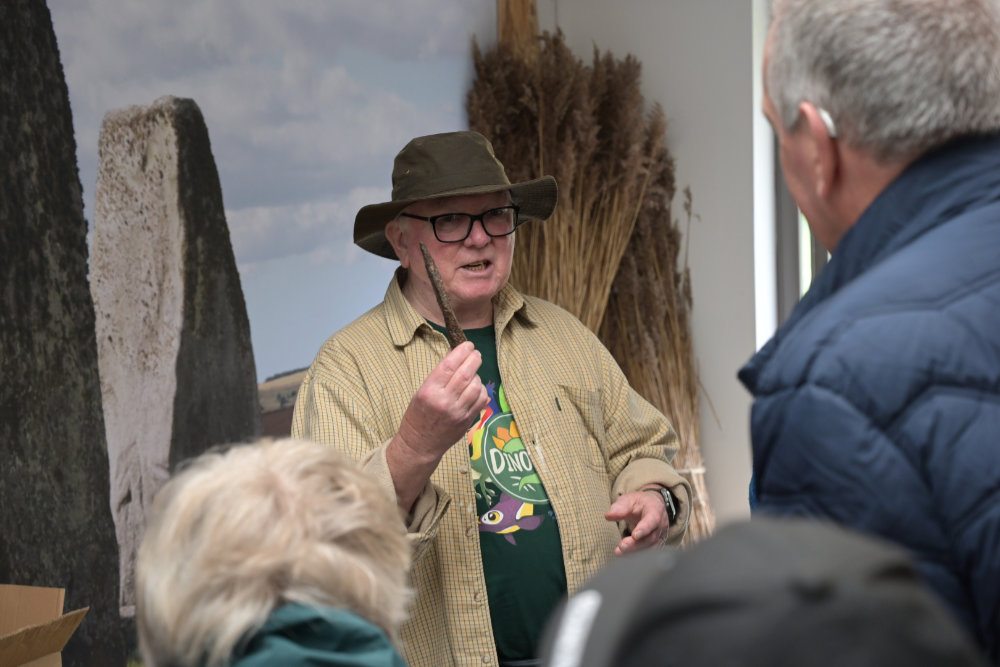
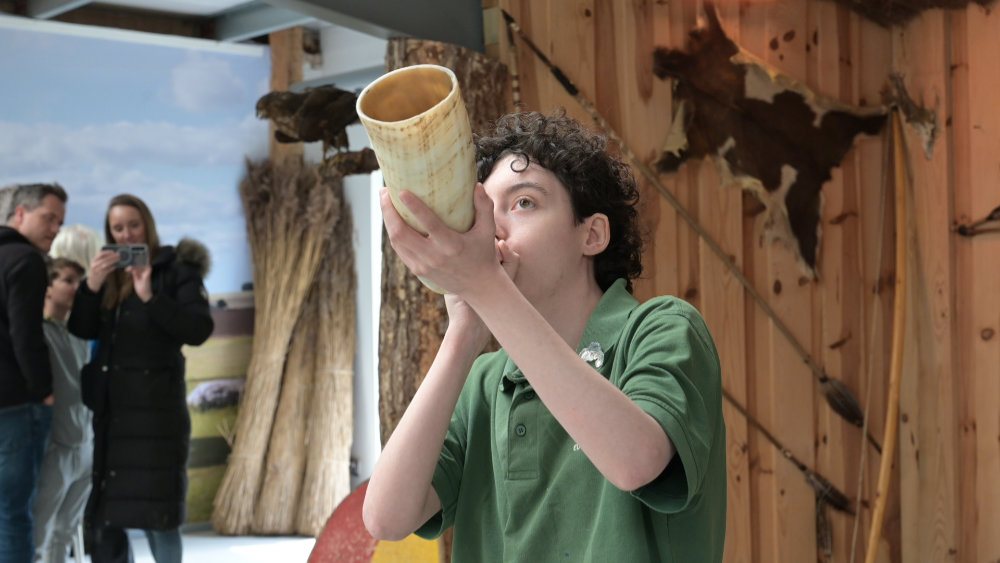
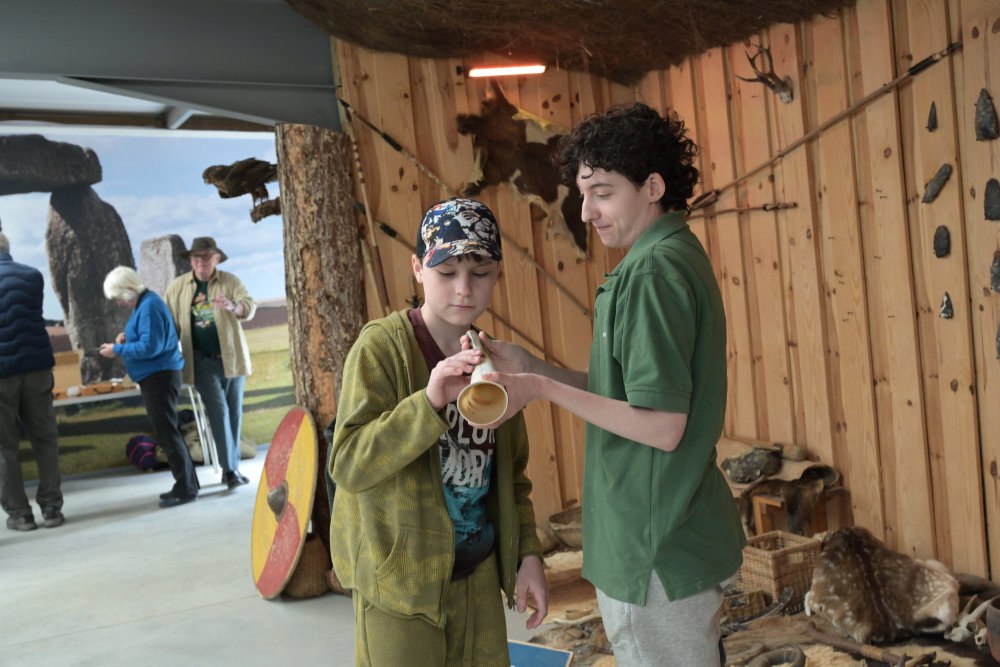
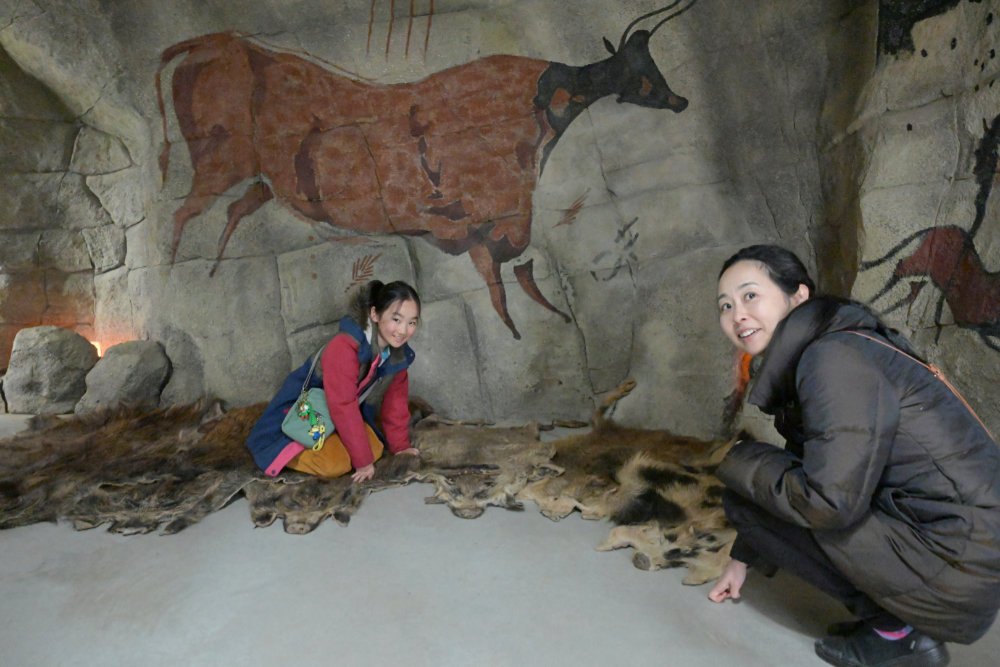
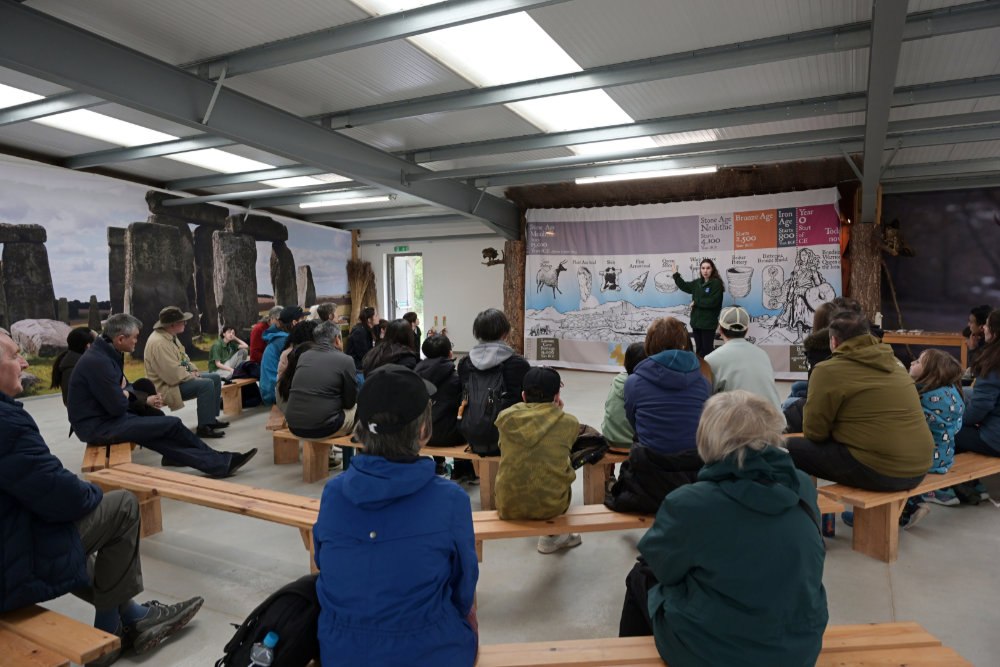
What a fascinating and memorable morning we had when Rockwatchers stepped back in time at Celtic Harmony Camp to experience life in the Stone Age.
Set within the wonderful reconstructed prehistoric landscape, families immersed themselves in a world where stone was more than a part of the landscape, but a vital tool for survival.
Discovering the Power of Stone
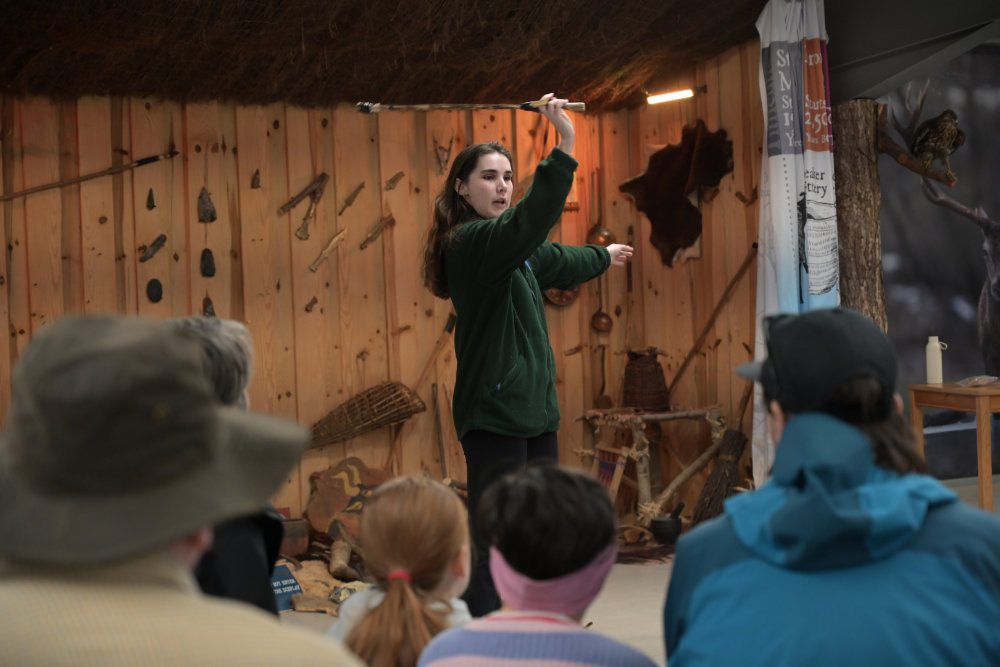
Throughout the session, we explored how early people used natural materials – especially stone – to shape their lives. From cutting and scraping to hunting and building, these simple materials were transformed into tools that were both ingenious and essential.
It was a powerful reminder that something as ordinary as a stone can, in the right hands, become something extraordinary.
Hands-On Prehistory
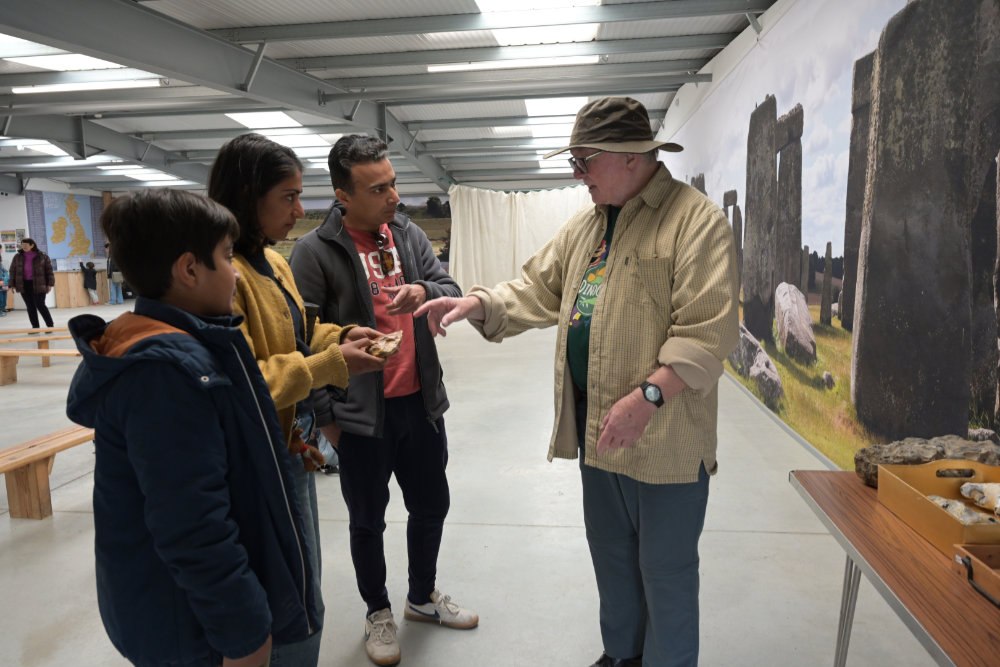
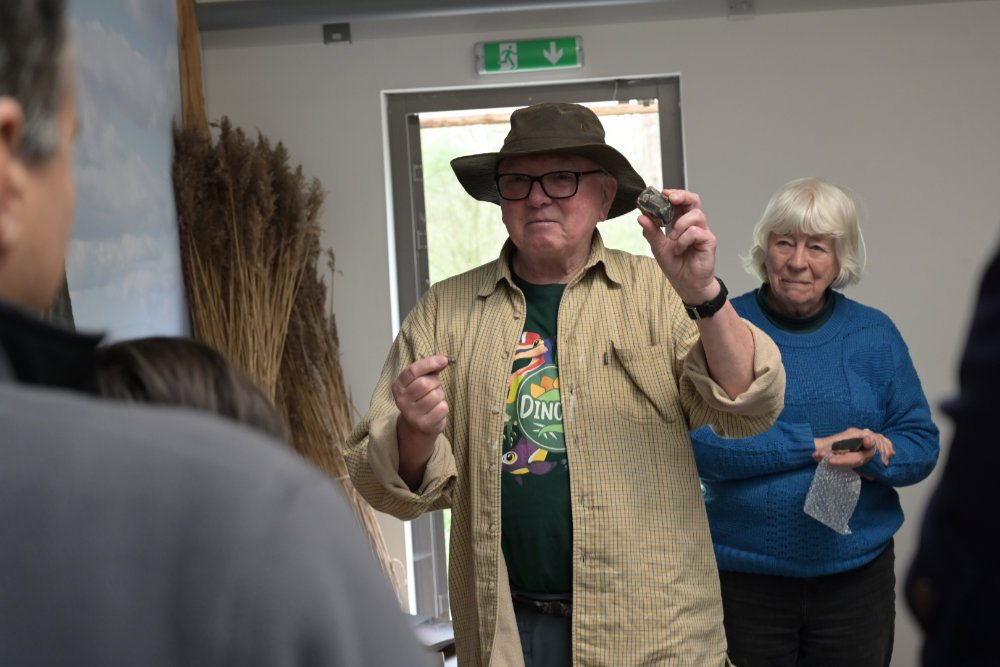
Guided by the brilliant team at Celtic Harmony Camp and supported by Mike Howgate, Rockwatchers had the opportunity to:
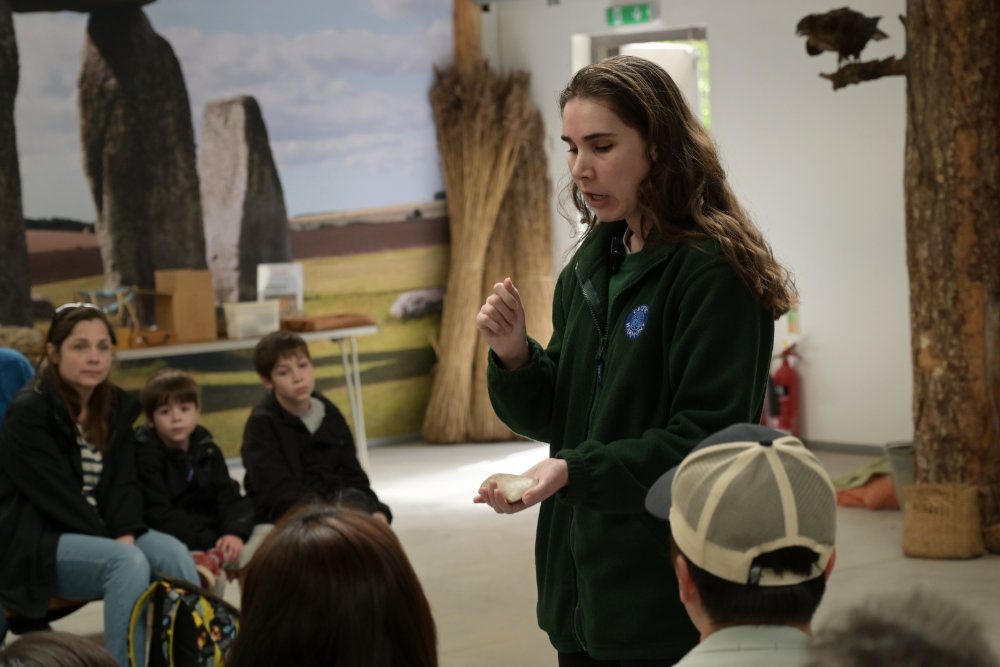
- Handle real artefacts
- Learn how flint was worked into sharp, effective tools
- Discover how prehistoric people lived and adapted to their environment
- Bring along their own finds for identification
The demonstrations brought prehistory vividly to life, helping everyone understand just how skillful and resourceful our ancestors were.
A Stone with a Story
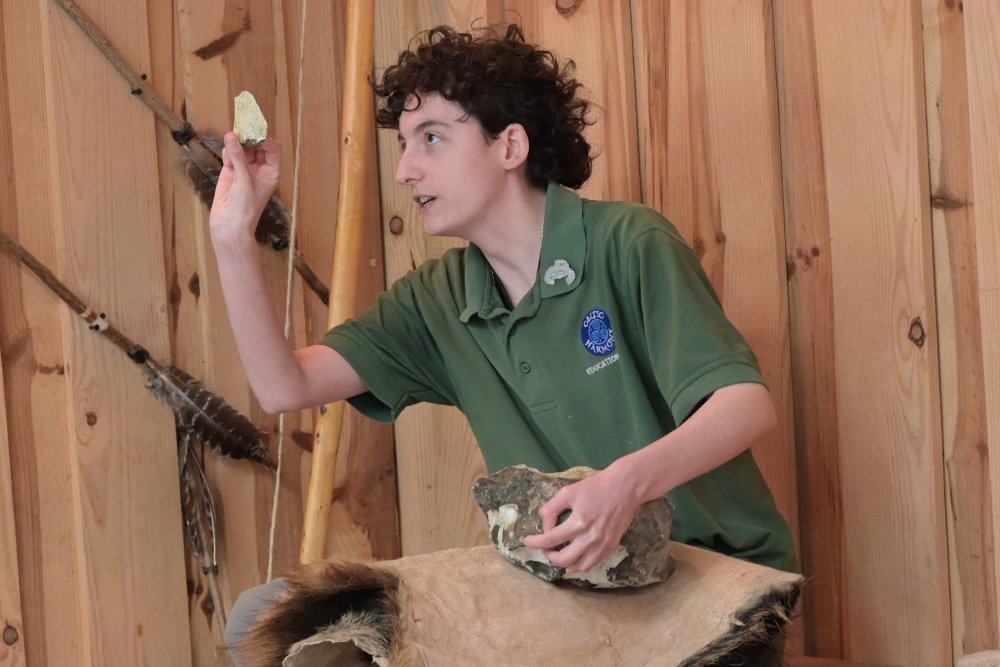
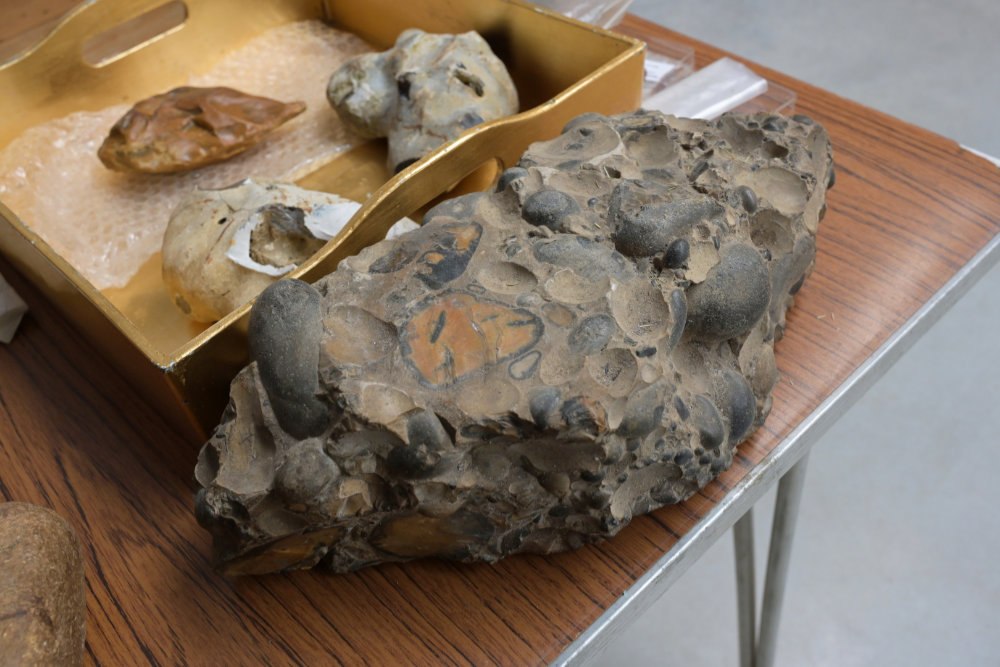
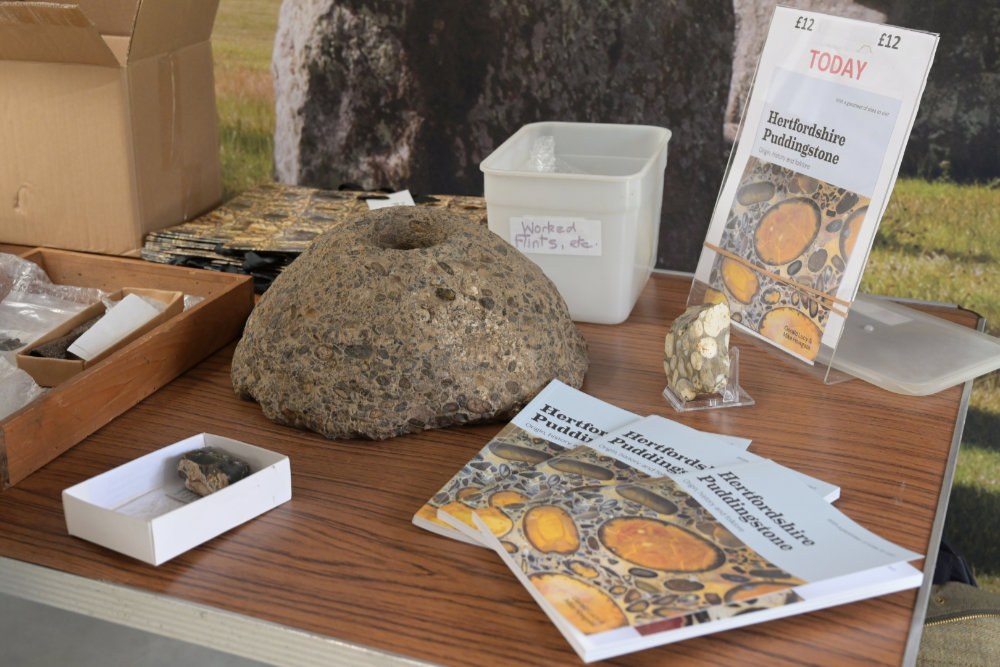
One of the highlights of the day was hearing about the wonderfully named Hertfordshire Puddingstone.
This unusual rock, made up of rounded pebbles naturally cemented together, sparked plenty of curiosity – and showed just how varied and surprising the geology underpinning us can be. It was fascinating to hear more about it from Mike, who has even written a book on the subject.
Bringing the Past to Life
The Celtic Harmony team, alongside Mike, created an engaging experience where learning felt like discovery. Their passion and knowledge helped bring stones, flint and fossils to life in a way that really captured the imagination of everyone who attended.
Days like this remind us that geology isn’t just about rocks – it’s about stories, survival, and understanding how people have connected with the Earth for thousands of years.
Thank you to everyone who joined us – we hope you left inspired to look at stones in a whole new way.